3.2: The Basic Structural and Functional Unit of Life- The Cell


- Diagram the components of a cell.
- Describe the organization of the human body.
What distinguishes a living
- Cells are the most basic building units of life.
- All living things are composed of cells.
- New cells are made from preexisting cells, which divide into two.
Who you are has been determined because of two cells that came together inside your mother’s womb. The two cells containing all of your genetic information (DNA) united to begin making new life. Cells divided and differentiated into other cells with specific roles that led to the formation of the body’s numerous body
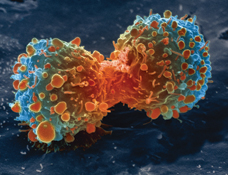
One cell divides into two, which begins the creation of millions of more cells that ultimately become you. (Public Domain; National Institutes of Health).
Independent single-celled organisms must conduct all the basic processes of life: it must take in
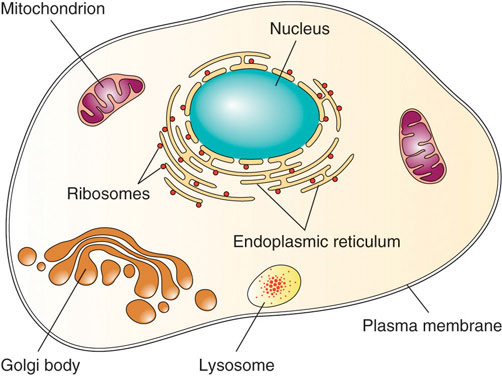
Although we defined the cell as the “most basic” unit of life, it is structurally and functionally complex (Figure ). A cell can be thought of as a mini-
This video describes the importance of cells in the human body.
Tissues, Organs, Organ Systems, and Organisms
Unicellular (single-celled) organisms can function independently, but the cells of multicellular organisms are dependent upon each other and are organized into five different levels in order to coordinate their specific functions and carry out all of life’s biological processes.
- Cells. Cells are the basic structural and functional unit of all life. Examples include red blood cells and nerve cells.
- Tissues.Tissuesare groups of cells that share a common structure and function and work together. There are four types of humantissues: connective, which connectstissues; epithelial, which lines and protectsorgans; muscle, which contracts for movement and support; and nerve, which responds and reacts to signals in the environment.
- Organs.Organsare a group oftissuesarranged in a specific manner to support a common physiological function. Examples include the brain, liver, and heart.
- Organ systems.Organ systemsare two or moreorgansthat support a specific physiological function. Examples include the digestive system andcentral nervous system. There are elevenorgan systemsin the human body (Table ).
- Organism. Anorganismis the complete living system capable of conducting all of life’s biological processes.
| Organ System | Organ Components | Major Function |
|---|---|---|
| Circulatory | heart, blood/lymph vessels, blood, lymph | Transport nutrients and waste products |
| Digestive | mouth, esophagus, stomach, intestines | Digestion and absorption |
| Endocrine | all glands (thyroid, ovaries, pancreas) | Produce and release hormones |
| Immune | white blood cells, lymphatic tissue, marrow | Defend against foreign invaders |
| Integumentary | skin, nails, hair, sweat glands | Protective, body temperature regulation |
| Muscular | Body movement | |
| Nervous | brain, spinal cord, nerves | Interprets and responds to stimuli |
| Reproductive | gonads, genitals | Reproduction and sexual characteristics |
| Respiratory | lungs, nose, mouth, throat, trachea | Gas exchange |
| Skeletal | bones, tendons, ligaments, joints | Structure and support |
| Urinary | kidneys, bladder, ureters | Waste excretion, water balance |

An Organism Requires Energy and Nutrient Input
Nutrient and Energy Flow
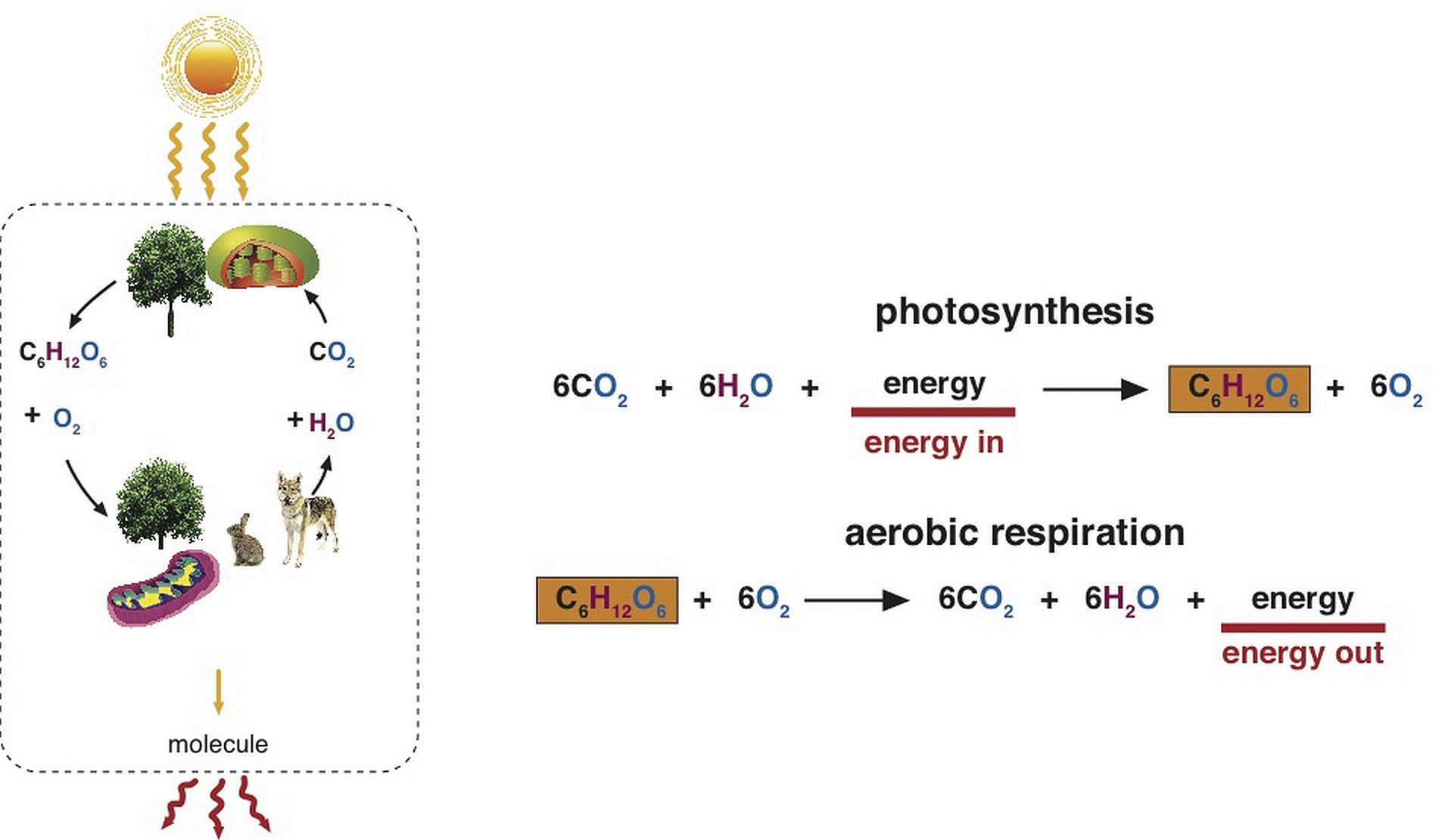
Plants harvest
In this section, we have learned that all life is composed of cells capable of transforming small organic molecules into
Key Takeaways
- The cell is the basic structural and functional unit of life. Cells are independent, single-celled organisms that take in nutrients, excrete wastes, detect and respond to their environment, move, breathe, grow, and reproduce. The macromoleculescarbohydrates,proteins,lipids, and nucleic acids make up all of the structural and functional units of cells.
- In complex organisms, cells are organized into five levels so that an organismcan conduct all basic processes associated with life.
- There are eleven organ systemsin the human body that work together to support life, all of which require nutrient input.
- Energyis constantly cycling between plants and animals. Asenergyis consumednutrientsare recycled within it.
Discussion Starter
- Discuss the importance of organization in the human body. If the body becomes disorganized by a diseaseor disorder what happens to its function? Can you think of a good example (what about leg fracture and movement)?
No comments:
Post a Comment