Chylomicrons are large particles that transport dietary fat and cholesterol from the intestines to the liver and other tissues. They are also known as ultra low-density lipoproteins.
How are chylomicrons made?
The intestines produce chylomicrons from dietary lipids, such as cholesterol and fatty acids
The size of chylomicrons depends on how much fat is consumed
A high-fat meal leads to larger chylomicrons
What do chylomicrons do?
Carry fat-soluble vitamins, cholesterol, and triglycerides from the small intestine to the bloodstream
Distribute dietary triglycerides to muscle and adipose tissue
Promote intestinal absorption of lipopolysaccharides
Chylomicronemia
A condition that can be caused by genetic factors, obesity, diabetes, or certain medications
Symptoms include abdominal pain, nerve damage, and fatty deposits in the skin
Chylomicron remnants
Smaller particles that result from lipolytic processes that break down chylomicrons
As with other fat-soluble vitamins, vitamin A is packaged into chylomicrons in the enterocytes of the small intestine and then transported to the liver.
The liver stores and exports vitamin A as needed; it is released into the blood bound to a vitamin A is packaged into chylomicrons in the enterocytes of the small intestine and then transported to the liver., which transports it to cells. Beta-carotene can be converted into vitamin A in the intestine, or it can be absorbed intact, packaged in chylomicrons, and then transported around the body in lipoproteins. Beta-carotene and other carotenoids that aren’t converted to vitamin A can also act as powerful antioxidants and have other helpful functions in the body, which may in part explain the health benefits of a diet rich in fruits and vegetables.
Vision is one of our five basic senses, and unless you’ve experienced vision loss, it’s hard to imagine life without sight. Vitamin A plays a key role in vision and eye health. On this page, we’ll cover the functions, food sources, and signs of deficiency and toxicity for vitamin A and carotenoids such as beta-carotene, which can be converted to vitamin A.
Vitamin A
Vitamin A is a generic term for a group of similar compounds called retinoids. Retinol is the form of vitamin A found in animal-derived foods, and it is converted in the body to the biologically active forms of vitamin A: retinal and retinoic acid. The dietary retinol found in animal-derived foods is called preformed or active vitamin A.
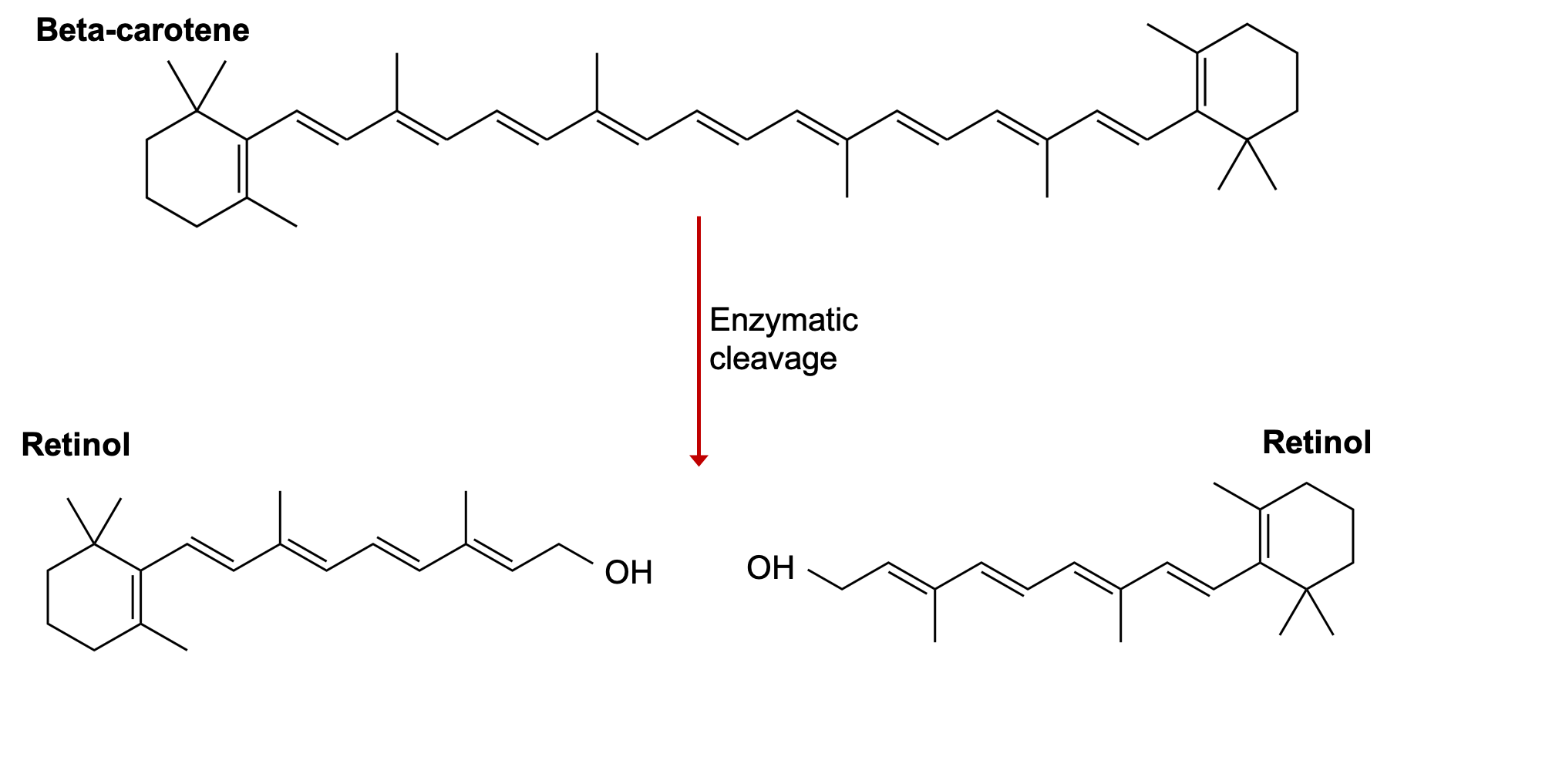
This differentiates it from beta-carotene and other carotenoid compounds,which are brightly-colored yellow, orange, and red pigments synthesized by plants. These are called provitamin A carotenoids, because they can be converted to vitamin A in the body. Among the carotenoids, beta-carotene is most efficiently converted to vitamin A. If you look at the beta-carotene molecule, you can see that it looks like two retinol molecules connected together.
Enzymes
in the intestine and liver can cleave the beta-carotene molecule in half, creating two new molecules of vitamin A.Figure 8.19. One molecule of beta-carotene can be enzymatically cleaved to 2 molecules of vitamin A.
As with other fat-soluble vitamins, vitamin A is packaged into chylomicrons in the enterocytes of the small intestine and then transported to the liver. The liver stores and exports vitamin A as needed; it is released into the blood bound to a retinol-binding protein, which transports it to cells. Beta-carotene can be converted into vitamin A in the intestine, or it can be absorbed intact, packaged in chylomicrons, and then transported around the body in lipoproteins. Beta-carotene and other carotenoids that aren’t converted to vitamin A can also act as powerful antioxidants and have other helpful functions in the body, which may in part explain the health benefits of a diet rich in fruits and vegetables.
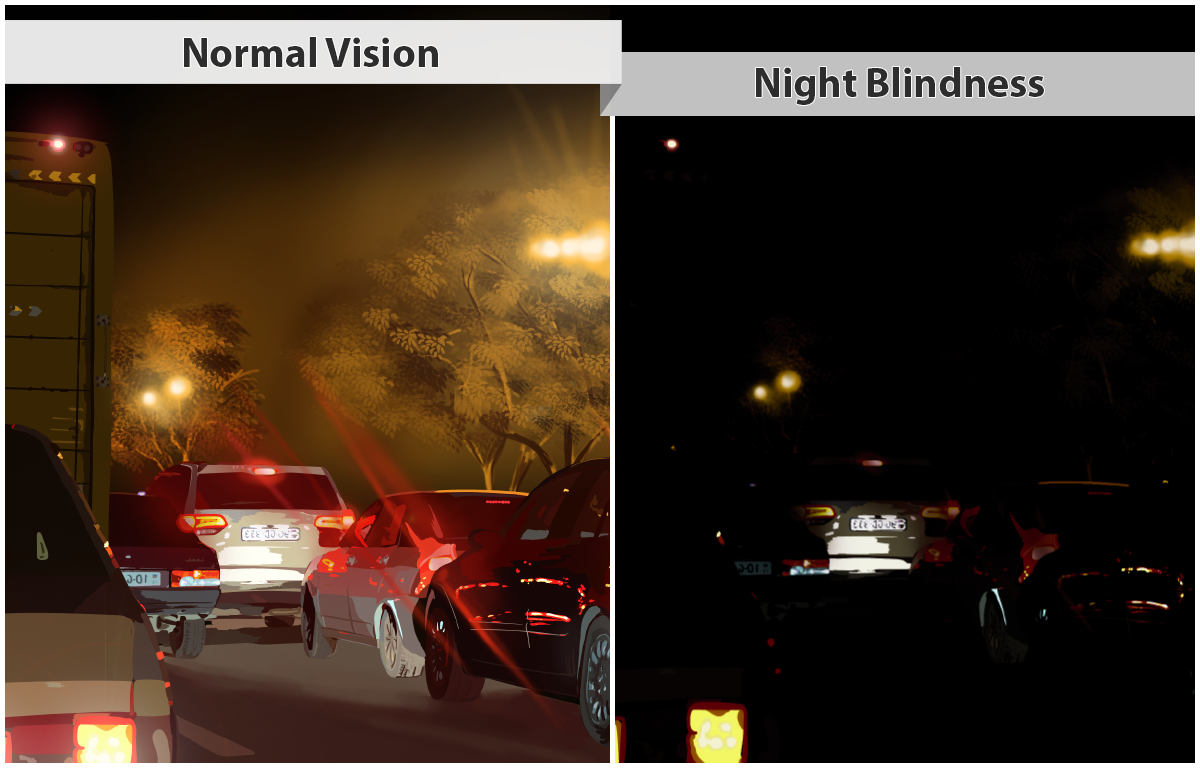
The retinoids are aptly named, as their most notable function is in the retina of the eye. Retinol that is circulating in the blood is taken up by cells in the retina, where it is converted to retinal and is used as part of the pigment rhodopsin. Rhodopsin is especially important to our ability to see in low-light conditions. When light hits rhodopsin in the eye, a nerve signal is sent to the brain, allowing us to detect that light. A person that is deficient in vitamin A has less rhodopsin pigment in the eye and is therefore less able to detect low-level light. This makes it more difficult to see at night, a condition referred to as night blindness, and this is one of the first signs that a person is deficient in vitamin A.
Figure 8.20. A depiction of the vision of a person suffering from night blindness, in which there is inadequate rhodopsin for detection of light.
Vitamin A is also required for normal cellular differentiation, the process by which cells change from stem cells to more specialized cells with specific structure and function. Cellular differentiation is important in every tissue of the body, but if there is a shortage of vitamin A, the eye is one of the first areas to be impacted. Specialized cells in the lining of the eyes produce mucus and tears, which keep eyes moist and lubricated. When the mucus-secreting cells die, they need to be replaced with new cells. If the body is deficient in vitamin A, those new cells don’t differentiate normally, resulting in dry eyes, a condition called xerophthalmia. Instead of producing mucus, these dysfunctional cells produce a protein called
keratin
.
Keratin
is a hard, structural protein that is found in nails, hair, and the outer layer of skin, and you can imagine the problems it causes when it accumulates in the eye. Instead of a moist, well-lubricated eye,
keratin
makes the eye hard and dry, resulting in clouded vision.Figure 8.21. A child with xerophthalmia caused by vitamin A deficiency, demonstrating cloudiness on the surface of the eye.
A deficiency in vitamin A can thus impair vision in two ways:
1. Development of night blindness due to a lack of the pigment rhodopsin
2. Development of xerophthalmia, or dry eyes, caused by abnormal cellular differentiation
Night blindness is usually the first sign of a vitamin A deficiency, followed by xerophthalmia and clouded vision. If the deficiency persists, the damage from
keratin
in the lining of the eye can cause permanent blindness.
Vitamin A’s role in cellular differentiation also makes it critical to cells around the body involved in normal growth, development, reproduction, and immune function. All of these processes require cells to develop in specific ways at specific times, and vitamin A helps to orchestrate these processes. For example, embryonic development requires stem cells to differentiate into specific types of cells to form new
organs
, and timing is critical.
Food Sources of Vitamin A and Carotenoids
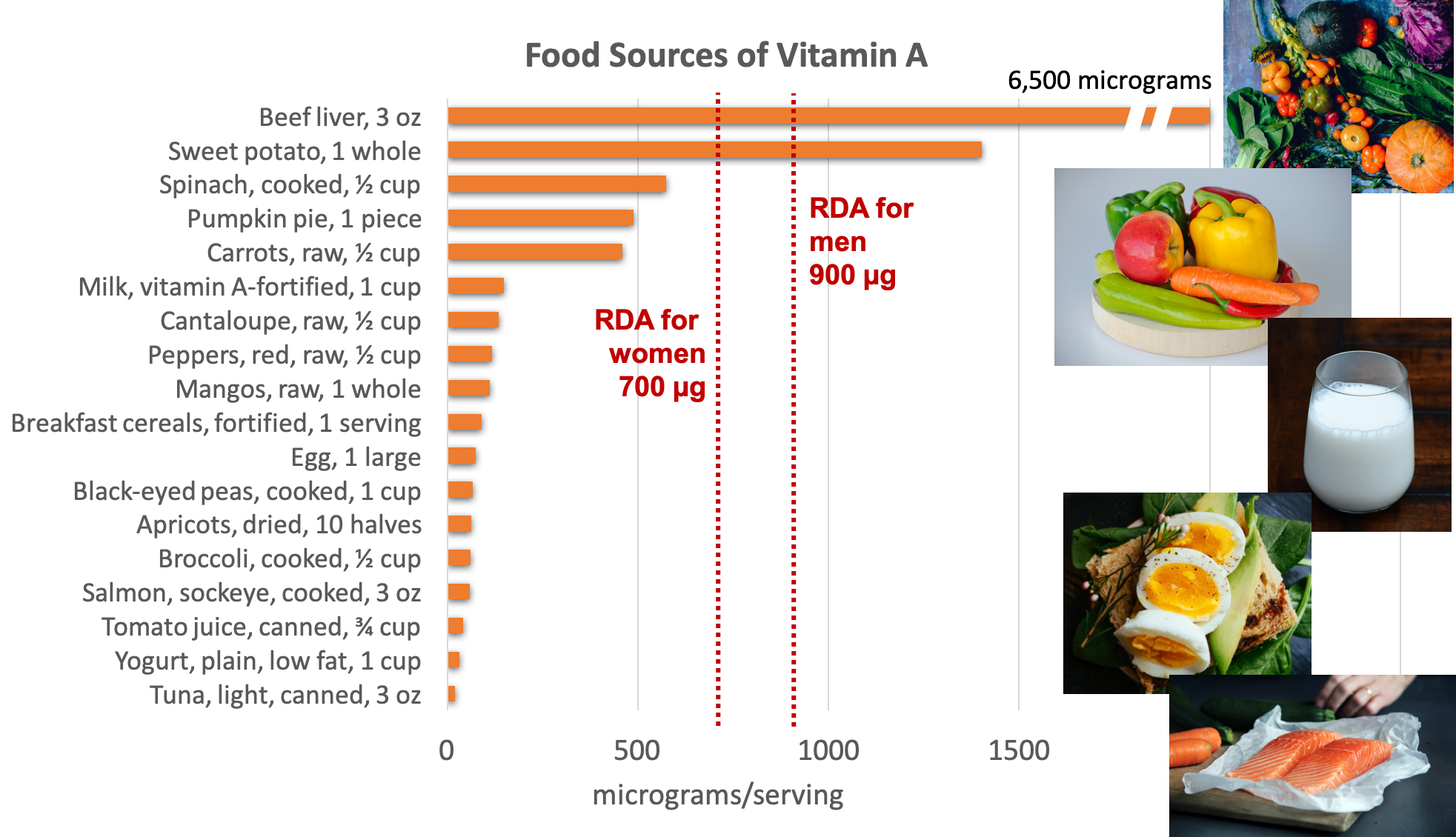
Preformed vitamin A is found only in animal-derived foods. The best food sources are liver and fish oils, as vitamin A is fat-soluble and stored in fatty
tissues
. Smaller amounts can be found in other animal products, such as meat, eggs, and dairy products.
Provitamin A carotenoids such as beta-carotene are mostly found in fruits and vegetables. Carotenoids are brightly-colored pigments, so vibrant color is a good indicator of their presence. Top sources include orange and yellow vegetables such as carrots, sweet potatoes, and pumpkins (beta-carotene is a bright orange pigment), bell peppers, fruit, leafy green vegetables, and some vegetable oils. Some carotenoids can also be found in animal-derived foods. For example, the yellow color of egg yolk and butter comes from carotenoids absorbed from the diets of the hens and cows, respectively.
Deficiency and Toxicity of Vitamin A and Carotenoids
The main symptoms of vitamin A deficiency are xerophthalmia, night blindness, and increased susceptibility to infections. Another symptom is hyperkeratosis, which occurs when cells in the skin overproduce the protein
keratin
(similar to what happens in the eye with xerophthalmia) causing the skin to become rough and irritated.
Vitamin A deficiency is rare in developed countries, but globally, it is the leading cause of preventable blindness in children. It is caused by malnutrition related to consumption of inadequate diets predominantly based on staple grains and lacking in animal products, fruits, vegetables, and fat, which increases absorption of vitamin A. According to the World Health Organization, an estimated 250,000 to 500,000 children lose their sight each year due to vitamin A deficiency, and half of them die within a year of developing blindness, likely due to infection.2 According to UNICEF, 30% of children under 5 have vitamin A deficiency in the world, but rates are as high as 44% and 48% in south Asia and sub-Saharan Africa, respectively.4
Figure 8.23. The worldwide prevalence of vitamin A deficiency in 1995-2005, based on World Health Organization data.
Vitamin A toxicity causes dry, itchy skin, loss of appetite, dizziness, nausea, swelling of the brain, and joint pain. In the most severe cases, it can cause liver damage, coma, and death. Vitamin A toxicity is almost always caused by taking
supplements
in doses above the UL of 3,000 micrograms per day for substantial periods. These high doses would not be found in a normal diet, although vitamin A toxicity has been observed in Arctic explorers who ate large amounts of bear and seal liver.4
Consuming excessive amounts of vitamin A during pregnancy can also cause birth defects, so pregnant people should pay close attention to vitamin A contained in
supplements
. In addition, some synthetic forms of vitamin A (Retin-A and Accutane, for example) are used as acne treatments and should never be used during pregnancy due to the risk of birth defects.
Unlike preformed vitamin A, beta-carotene and other carotenoids do not seem to cause birth defects or other major toxicity effects in high doses. This is because the body doesn’t convert beta-carotene to vitamin A if it already has excessive amounts of vitamin A. Because it doesn’t cause toxicity, beta-carotene is usually used as the source of vitamin A in prenatal multivitamin
supplements
.
Beta-carotene that isn’t converted to vitamin A is absorbed intact in the intestine. When high levels of beta-carotene are consumed in the diet, it can have the unusual effect of making a person’s skin appear to be yellow or orange. The color change doesn’t seem to be harmful, and normal skin tone returns once the person stops consuming so much beta-carotene. However, studies have shown that long-term consumption of high-dose beta-carotene
supplements
have been linked to increased rates of cancer and death, so it’s best to get beta-carotene from food rather than
3United Nations Children’s Fund. (2020). Estimates of Vitamin A Supplementation Coverage in Preschool-age Children: Methods and processes for the UNICEF global database. UNICEF.
Antioxidant supplementation, including vitamin E and C supplementation, has recently received recognition among athletes as a possible method for enhancing athletic performance.
Moreover, the effectiveness of vitamin E and C alone and/or combined on muscle mass and strength have been inconsistent.
It is recommended that athletes consume a diet rich in fruits and vegetables, which provides vitamins, minerals phytochemicals, and other bioactive compounds to meet the recommended intakes of vitamin E and C.
Dehydration begins before our body receives signals such as thirst. The signal for thirst is sent to our bodies by two stimuli, high solute concentration or low blood volume. Many bodily functions depend on our ability to stay hydrated such as body temperature regulation, bodily waste excretion, and regulating our blood pressure. Our body is in a constant cycle of water intake and output. We input about 2.2 L of water daily through food and beverages and release 1.5 L daily through urine. The best means of combating dehydration is to stay hydrated by drinking water, coffee, and tea. If water gets too boring, water flavorings can be added to add interest and with so many sugar-free options on the market, this should make drinking water both easy and enjoyable.
It was interesting to read that the adequate intake (AI) for sodium is less than 1 teaspoon. When I think about all of the food I consume in a day I am almost certain I exceed that amount daily. I can see the benefit of measuring foods when cooking but something like salt is something I use with a "to taste" preference. Most recipes I follow also call for seasoning food with salts to taste. Our daily value for sodium is set at 2400 mg a day, which is approximately half of a teaspoon.
The process of preparing foods can affect vitamin and mineral concentrations. From the moment that foods are plucked, cut, or prepped, they begin to lose their vitamin and mineral concentration. This makes me feel a bit more reassured as I tend not to be a "prep ahead" kind of person, which was something I felt was more of a downfall than a good thing. While prepping foods ahead of time and getting some of that chopping and cutting done to cut down on dinner times during a busy work week, it seems like there's a silver lining to doing it at cooking time. I was interested to read that frozen foods were a solid means of preserving vitamins and minerals in foods too! That's how I cut down on cooking time on busy days by turning to frozen but chopped vegetables that are quick to prepare. Other considerations to make for getting the most of the vitamins and minerals that foods have to offer are avoiding boiling and limiting added sugars and salts in foods.
It was fascinating to learn that the common 8 cups per day minimum water intake is actually junk science. According to the lecture and our text the recommended amount of water we should intake is around 11 cups for women and 15 for women but we don't need to drink it we can also eat water-rich fruits and vegetables. I love eating fruit, especially in the summer because it is so refreshing. My favorite fruits are watermelon, honeydew melon, and cantaloupe; Interestingly watermelon is about 92% water, and honeydew and cantaloupe are 90% water. I personally eat a lot of vegetables, and had no idea they were converted into water in my body which is a relief because I am rarely thirsty. I have to force myself to drink water even when I add lemons or flavor enhancers because it's so boring. I'm weird I know LOL!
I also found it interesting that diet sodas aren't a great substitute for regular sodas because they can cause you to overeat. According to the textbook and lecture, diet sodas contain sugar substitutes that trick your brain into thinking it's getting a large sugar intake but the sugar never comes. Your body starts to crave the sugar that it's missing so you reach for more food until you are finally satiated. I am a diet soda fan because I love the fizz of soda but can't handle the sugar rush; I'm wondering if it would be better to drink regular soda in moderation instead of drinking diet sodas.
It was also interesting to learn about the science behind how thirst occurs. I had no idea that so many organs were involved in the thirst process. According to our textbook, the kidneys, heart, and the hypothalamus in the brain work to maintain fluid homeostasis in the body. When there is too much sodium or low fluids in the body, signals from the hypothalamus trigger the release of hormones that increase thirst or reduce fluid loss. The kidneys respond by becoming more permeable to water to remove excess sodium or less permeable to prevent fluid loss. The water we take in helps balance the sodium levels and blood volume, and this homeostatic process continues constantly.
I never really understood how vital electrolytes such sodium, potassium, and chloride are for preserving everything in the body working as it is. Key for nerve impulses and muscle action is their ability to balance the fluids both inside and outside of our cells. It's amazing to think of how readily something as simple as dehydration could influence our energy level and athletic ability. Now it makes perfect sense why keeping hydrated is so important—not only about water but also about preserving those electrolytes in balance—especially during exercise or anything physically demanding.
Antioxidants and How They Protect Us
Although I have always heard of antioxidants, it truly connected for me to know they function as "free radical hunters." These unstable chemicals called free radicals can wre havoc on our cells; antioxidants such as vitamin C seek to prevent such damage. It blew my head to see that antioxidants are a component of a complete system including other molecules as well. The body seems to have a defense team specifically designed to manage oxidative stress and guard against chronic illness. Pretty great, indeed.
Water’s Hidden Superpowers
I never appreciated the degree to which the body makes use of water. It's not only about staying hydrated; water delivers nutrients and oxygen to cells and transports waste away. More shockingly to me is that water preserves our electrolytes in balance and aids in the absorption of water-soluble vitamins including vitamin C. It really helped me to realize how important drinking enough water is for everything, from digestion to preserving our energy levels and helping the body to recover itself. Far more than I would have guessed, we really rely on water.
Electrolytes are crucial for our body, and maintaining a balance of fluids and electrolytes is essential. When we engage in intense physical activities and sweat, we lose not only water but also key minerals like sodium and potassium. This loss can lead to serious health issues such as heat strokes and kidney problems.
First observation: I learned that sports drinks like Gatorade are made to replenish our body’s water and electrolytes. We lose these important minerals through sweat, which are necessary for keeping our fluid balance and muscle function intact. Sports drinks have these electrolytes and also sugars that help with quick energy for better recovery and performance.
Second observation: A study shows that women who drink more than five glasses of water a day have a much lower risk of colon cancer. This supports the many benefits of proper hydration, such as reducing the risk of chronic diseases, enhancing brain function, and improving overall health.
Third observation: I learned about water intoxication, also known as hyponatremia, which many are unaware can be deadly. It happens when someone drinks too much water, diluting the blood's electrolytes, especially sodium. This can cause headaches, vomiting, and even death in extreme cases. It’s important to keep water and electrolyte intake balanced.
Electrolytes are essential minerals found in our body fluids such as blood and urine. They have an electric charge and play a crucial role in various bodily functions. One of the key observations is that electrolytes help maintain the balance of fluids in our bodies. This balance is vital for hydration because it ensures that our cells get enough water to function properly.
Another important aspect of electrolytes is their role in muscle function. They are necessary for the contraction and relaxation of muscles including the heart. For instance, when we exercise, our muscles need electrolytes to perform effectively and losing them through sweat can lead to cramps or fatigue.
Lastly, electrolytes, including sodium, potassium, and chloride, are involved in regulating nerve function. They help transmit signals between nerve cells, ensuring that our brain communicates effectively with the rest of our body. Overall, maintaining proper electrolyte levels is crucial for good health since they influence hydration, muscle performance, and nerve communication.
Antioxidants such as vitamin E, vitamin C, and selenium play crucial roles in neutralizing the free radicals and reactive oxygen species that are both highly reactive and can cause harm to the body's DNA, proteins, and lipids. These antioxidants are able to achieve this by neutralizing the free radicals and donating electrons to stabilize the reactive molecules.
Water in the human body is not just plain H2O, but instead is actually a mixture containing essential electrolytes, proteins, glucose, and lipoproteins. Electrolytes are crucial for maintaining cellular function as they dissociate into ions when dissolved in water. These charged particles help regulate nerve impulses, muscle contractions, and fluid balance.
What are some regular dietary sources of these antioxidants that individuals can incorporate into their daily intake to promote health without overdoing or overconsuming? Also which food groups would be providing the most of these necessary antioxidants, fruits, leafy greens, or are they in whole grains?
In lesson 7.3, I learned about the importance of water to the human body. The human body is made up of about 55-60% of water and can be classified as a “transportation vehicle, medium for chemical reactions, lubricant/shock absorber, and temperature regulator.” Water can be a transportation vehicle because blood is about 78% water and water molecules surround dissolved substances in blood like proteins, lipoproteins, glucose, electrolytes, and metabolic waste products to be either dissolved in the blood or transported to cells to promote basic functions. Water is the best medium for organisms in chemical reactions because it is electrically neutral, not acidic or basic (pH of 7.0), and stores big amounts of heat. Water can be a lubricant for the human body because mucus and saliva allow nutrients and food to go down the GI tract and stool is made up of 90% of water. Water is the main component in joint fluid to allow bones to move and absorb shock on impact. As mentioned earlier, water stores big amounts of heat, and this is important for thermoregulation. Using this stored energy, the body is able to regulate itself when it is overheated or in cold temperatures.
In lesson 7.5, I learned how diverse sodium can be with how many different functions it has for the human body. Sodium is not only vital for maintaining fluid balance, but it also is important for nerve impulse transmission. This is because sodium is an extracellular cation that is water soluble, which means that the sodium cations create a charge difference between the extracellular environment and the nerve cell causing the muscle to stimulate. Sodium is crucial in nutrient absorption in the small intestine and the kidneys because a sodium-potassium pump transports nutrients through intestinal cells.
In lesson 7.7, it reiterates the importance of reading labels again, but this time with liquids. Liquids do not satisfy hunger, they satiate thirst. To avoid weight gain, it is better to drink beverages with fewer calories. According to WebMD.com, they listed different kinds of beverages and estimated kilocalories with the beverage. When comparing a soda versus a diet soda that is 12.0 ounces, a regular soda has about 124-189 kilocalories and a diet soda has 0-7 kilocalories. When comparing black coffee versus a caffe latte with whole milk that is 12.0 ounces, black coffee has about 0-4 kilocalories and a cafe latte with whole milk has 200 kilocalories. Drinking soda can be a guilty pleasure, so this will help me remember to stop myself from opening another can.
Antioxidants help protect our bodies from damage caused by free radicals, which are unstable molecules that can harm our DNA, proteins, and cells. This damage is linked to aging and diseases like cancer and heart disease. The main antioxidant nutrients are Vitamin E, Vitamin C, and Selenium. Vitamin E helps stabilize harmful molecules by giving them an electron. Vitamin C helps Vitamin E keep working by restoring its protective ability. Selenium supports special enzymes that break down dangerous byproducts, helping our body stay safe from damage. These antioxidants work together to keep our cells healthy.
Water and electrolytes are also very important for keeping our bodies working properly. Water helps with many tasks, like moving nutrients around, helping with chemical reactions, protecting our organs and joints, and controlling our body temperature. Electrolytes, such as sodium, potassium, and chloride, help balance fluids and send signals in our nerves. Our body carefully controls the balance of water and electrolytes through the brain, kidneys, and hormones. This keeps our cells from having too much or too little water, which helps them work the way they should.
If the balance of water and electrolytes is off, it can cause dehydration or overhydration. Dehydration can lead to headaches, muscle cramps, and kidney problems, while too much water can cause low sodium levels, which is dangerous. Our bodies tell us to drink water when we are thirsty, and this is controlled by the brain when it notices changes in blood volume or salt levels. Sports drinks can help during intense exercise because they contain electrolytes, but it’s important not to drink too many because of the high sugar content. These observations show how antioxidants and water-electrolytes are needed for good health.
After learning this, I wondered about a few things: How do antioxidants from natural foods compare to supplements? What are the best foods and drinks to stay hydrated without too much sugar? And can taking too many antioxidant supplements be harmful? Understanding these questions could help us make better choices for a healthy lifestyle.
Antioxidants help protect cells from damage caused by free radicals, and unstable molecules that can lead to diseases like cancer and heart disease. The reading explains that vitamin E, vitamin C, and selenium are key antioxidant micronutrients that either neutralize free radicals directly or help enzymes do so. However, taking too many antioxidants can be harmful and might even increase the risk of disease instead of preventing it.
Water is essential for almost everything the body does it transports nutrients, helps with chemical reactions, protects organs, and regulates body temperature. The body has a built-in system to balance water levels, mainly through thirst and hormones like antidiuretic hormone (ADH), which controls how much water the kidneys hold onto or release. As people age, their thirst mechanism becomes less effective, making dehydration a bigger risk.
Electrolytes like sodium, potassium, and chloride help maintain the body’s fluid balance by controlling how water moves between cells. If electrolyte levels get too high or too low, it can cause serious issues like dehydration, muscle cramps, or even heart problems. This is why athletes need to pay attention to both their water and electrolyte intake, especially during intense exercise.
During the power point lecture on antioxidants, I found the part on oxidative stress to be very interesting. I now know that this is when a normal cell within the body becomes damaged by free radicals. Factors can include environmental exposures, lifestyle choices, or certain medications. The body has the ability to neutralize these free radicals with antioxidants. This is because free radicals are molecules that have unpaired electrons, they are very unstable. Antioxidants are able to give up an electron without entering the chain reaction.
Another interesting this that I learned was how humans are the only mammals that do not have the ability to make their own vitamin C!
I didn't expect to learn how important electrolytes are to our body. However, it makes a lot of sense. Some of the main electrolytes include potassium, magnesium, sodium, calcium, chloride. These all help in maintaining fluid balance within our cells in our body. They also help with muscle contraction and nerve impulses. So, whenever you notice when you have a muscle spasm it could be related to dehydration/electrolyte imbalance.
Our body is made up of mostly water, but rather than pure, it is filled and mixed with “cells, proteins, glucose, lipoproteins, electrolytes, and other substances” (LibreTexts Medicine, ch.7.2). As stated being in the water in our body, electrolytes are substances that when it interacts with water, separates into charged ions. Positively charged electrolytes are called cations, while negatively charged electrolytes are called anions. The use of electrolytes is essentially for the energy used in your body to work your sodium-potassium pumps. For example, when I feel tired, I always drink a gatorade, a drink filled with electrolytes, to get my energy back up.
Vitamin C is crucial for the synthesis of collagen, a protein that helps build our skin, bones, etc. So when there is a deficiency with this vitamin there are symptoms that weakens connective tissue throughout your body. This deficiency is called scurvy. Some symptoms inlcude “bleeding gums, pinpoint hemorrhages, and corkscrew hairs (LibreTexts Medicine, ch.9.3). As there are consequences with having a lack of this vitamin, there is also a harm to some if they have too much of vitamin C. A high intake of vitamin C increases your excretion of oxalic acid which is a common cause for kidney stones.
Cystic fibrosis is one of the most widespread inherited diseases, especially in those of European descent and is caused by a “mutation in a protein that transports chloride ions out of the cell” (LibreTexts Medicine, ch. 7.5). A distinctive symptom of CF is a severe acculumation of sticky mucus in the lungs. Symptoms include salty skin, poor digestion, respiratory infections, liver damage, and sadly, infertility. An external factor that plays a part with someone with CF is although they can interact with others, they are not able to interact with someone else who has CF due to the risk of trading bacteria with each other.
After reading section 7.5 of “An Introduction to Nutrition (Zimmerman)” by Maureen Zimmerman and Beth Snow, I learned the importance of electrolytes in maintaining fluid balance and helping our cells with essential functions. The main electrolytes found in our bodies are sodium, chloride, and potassium. All the electrolytes play a role in maintaining fluid balance, while sodium and potassium also play a role in nerve impulses and muscle contraction. Having an imbalance of these electrolytes can lead to certain disorders. In America, we typically consume more sodium than we need, leading to an increase in the likelihood of getting hypertension, cardiovascular disease, and kidney disease. In some instances, we may have low blood sodium levels (hyponatremia), which can lead to symptoms of nausea, muscle cramps, and dizziness. A chloride imbalance can also occur called cystic fibrosis, where chloride channels do not let chloride out of the cells. It is typically inherited, and it can cause issues of salty skin, poor digestion, respiratory damage, and liver damage. Potassium imbalances can be dangerous in both having too much and having too little. Hypokalemia (too little), can lead to weak muscles and cramps and respiratory weakness. Hyperkalemia (too much), do not have notable symptoms, but can become deadly by stopping the heart. The big idea of the chapter was that like any other nutrient, we need electrolytes for our bodies to survive and be healthy. Having imbalances of electrolytes can lead to disorders and damage to our bodies. Just like with any other nutrient, we need to find a healthy balance in the amount we ingest.
Similarly to my observations on electrolytes, I found that a balance in vitamins is equally as important for our bodies to remain healthy. In section 9.1 of “Intermediate Nutrition (Lindshield)” by Brian Lindshield and the lecture video on antioxidants, I learned that some vitamins and minerals act as antioxidants against free radicals. Free radicals are atoms or molecules that have at least one unpaired electron. This causes them to steal electrons from other atoms or molecules, including those needed in our bodies. Some consequences of free radicals stealing electrons are DNA damage, protein denaturation, and lipid peroxidation. Vitamins E and C, as well as selenium, serve as antioxidants by donating an electron to the free radicals to fill up their electrons, thus eliminating their threat. Like electrolytes, the antioxidants can also serve other functions, such as vitamin E preventing cancer and heart disease and helping form blood cells, vitamin C building collagen and metabolizing amino acids, and selenium regulating the thyroid hormone. Again, having an imbalance can cause disorders and symptoms like scurvy (vitamin C deficiency), nerve damage (vitamin E deficiency), or nausea and vomiting (selenium deficiency). Similarly to electrolytes, the big idea of this chapter was that we need a balance of vitamins and minerals to maintain a healthy body. Imbalances can cause damage to the systems of the body, so we need to be wary of the amount we are getting through our diets.
From section 7.7 of “An Introduction to Nutrition (Zimmerman)” and the lecture video about water and electrolytes, I learned that many bottled waters have had their minerals removed, and are also significant contributors to climate change. It takes many barrels of oil in a year just to produce the plastic bottles. I think the big idea of the section is to bring awareness to the environmental impacts of what we consume. Like animal-based proteins, bottled water also has negative environmental impacts from its production. It is also likely more beneficial to drink your own filtered water due to the possible low quality of water in the bottles via loss of minerals and trace amounts of bacteria. Knowing this information should encourage us to drink less bottled water, and in general, be more aware of the types of products we consume to reduce our water and carbon footprint.
Growing up and participating in numerous health classes meant that the eight cups of water/day rule was drilled into mind. I always assumed it was the universal RDA, and this was further supported by my friends and family actively working to incorporate this "standard" intake into their daily routine. Based on the evidence provided from this week's lecture/reading, it seems as though the eight cups/day rule is simply a myth. Water intake is actually a very individualized and should be adjusted to fit one's needs. For instance, if you're an endurance athlete, you're obviously going to need to consume more water than average to keep up with all the water lost through sweat. Other determining factors include age, biological sex, and even the climate you live in.
In addition to hydration guidelines, I was also introduced to the idea that alcohol consumption can lead to brain cell loss and even brain damage. I'm sure most of us have experienced the impaired cognition, faulty motor skills, and lack of good judgment here and there, but most of the time problems only come up with overconsumption. Some studies have shown that high blood alcohol levels can inhibit neurogenesis, as well as initiate neurodegeneration. This does not mean that brain cells can be killed by drinking too much though. Rather, it shows that the symptoms that arise from drinking can have lasting negative effects without proper moderation. One of the most common effects we see is a hangover, which is usually due to alcohol's ability to suppress the release of antidiuretic hormone. Without this hormone, more water is excreted from the body, less is reabsorbed, and major dehydration follows (hence the headache).
As interesting as the science behind hangovers is, I found the biochemistry of free radicals to be a bit more intriguing. I'm currently learning about cellular respiration in my other biology class, and we've discussed all the positive aspects of the process, but we haven't talked about the potential harm that can arise from the natural production of free radicals. When glucose is broken down to generate cellular energy (ATP), the electrons that are used during the process come from oxygen. The oxygen then becomes a free radical because it's missing one of its electrons. In low quantities free radicals don't do any harm, however, at high levels they can induce oxidative stress. Oxidative stress can easily lead to negative health outcomes like arthritis, artery hardening, and even an increased risk of cancer.
For this week’s reading and lecture we learned about the importance of drinking fluids that help our body such as water. Men’s bodies are made up of more water in comparison to women. Yet, newborn have more percentage two both male and female because they have 70 percent of water. I also found it interesting that if we don’t drink(dehydration) enough water we can age faster. You always watch all these diets or online information that promotes drinking lots of water. Yet, it’s also not healthy to exaggerate. In the reading’s it mentioned that also consuming more water than our body can be deadly. For example, Jennifer Strange, who drank six liters of water in three hours while competing in a “Hold Your Wee for a Wii” radio contest, afterward , she complained of a headache, vomited and died(Draper,27) . According to the reading athletes are only permitted to take a certain amount of water every 20 minutes or also replace it with drinks such as gatorade and never go above the limit with water because it will be a negative effect to your body.
The second topic they addressed was alcohol . I have heard that people that are alcoholics may develop cirrhosis. I am just curious if getting a liver transplant would help them.But, I had never heard of fatty liver that is associated with drinking too much. The good news is that it can be reversed if the person stops drinking. I wish there was more information like this provided to the public. We always read about cigarettes and warnings of cancer. But alcohol is not something that is constantly addressed of the outcomes and how it affects our health long-term.
Lastly, I learned about Potassium and sodium. In the western society we are used to eating high amounts of sodium. Not only is processed food high in sodium. But we must also count the sodium in other foods we are taking for example our meats and ect. On the other hand we have low potassium on some people might be the cause of some of the medications they are taking. However, all other people should be consuming more foods that have potassium because it could also decrease kidney stones. We should all be consuming 4.7 grams a day and the best place to find it is our daily food such as fruits and veggies.
I found it very interesting to learn that we feel thirst when sensors in our body detect dry mouth, low blood volume and high concentration of electrolytes in blood, but I wonder why kids and elderly feel less thirst than teenagers and adults. I understand that infants and elderly have a higher risk of dehydration because when they need someone to get the water for them or are unable to communicate the need they need that an adult thinks of keeping them hydrated, but even when kids and elderly are mobile and verbal they still feel less thirst than teenagers and adults. When I was a kid and even when I was a teenager I would rarely feel thirst, I used to drink very little water a day, mostly during meals.
Water moves freely from interstitial fluid into cells and back, the only thing that control the amount of water in cells is the amount of electrolytes and other solutes inside the cells and the amount of substances diluted in the interstitial fluid and inside the cells are the same, what changes is the composition of the solutes because the cells are taking in substances and sending the unwanted products back to the interstitial fluid.
The most interesting thing for me this week was that we need very little sodium from dietary sources because kidneys are very good at reabsorbing sodium and keeping the concentration constant and that since we don’t need that much of sodium, but we need potassium, so besides avoiding processed food that are rich in sodium, using salt substitutes made with potassium instead of sodium is an option and when you reduce the amount of salt you eat less salt for awhile you end up craving less salt.
Three things I took note of as I read the seventh chapter of An Introduction to Nutrition and the ninth chapter of Intermediate Nutrition are body temperature, water regulation, and selenium deficiency effects.
Water plays a huge role in thermoregulating our body, and this function is important for our proteins and preventing dehydration. The human body set temperature is 98.6 degrees Fahrenheit, but when too cold—below 82.4 degrees Fahrenheit—may result in muscle failure and when too hot—above 111.2 degrees Fahrenheit—may result in the failure of the central nervous system because these extreme temperatures (relative to the set body temperature) cause protein denaturation (Zimmerman, 7.3.2). In response to high body heat, smooth muscles of the blood vessels dilate, increasing blood flow to the periphery and sending extra heat to the skin, causing perspiration to cool the body off (Zimmerman, 7.3.3). Sweat is 98–99% water, so people run the risk of dehydration and a heat stroke when the body temperature rises above 105.1 degrees Fahrenheit (Zimmerman, 7.3.3; 7.6.2). These contribute to why high fevers are of concern when people are ill; they can be life-threatening as much as they are meant to help destroy pathogens in the body.
The Safe Drinking Water Act in 1974 required the EPA to set water-quality standards and test public water systems, having water processed through screening, removal of excess calcium carbonate, “flocculation, clarification, sedimentation, filtration, and disinfection” (Zimmerman, 7.7.3). Disinfection may be carried out through chlorination, which is effective at killing bacteria (Zimmerman, 7.7.3). From these established standards the U.S. has seen waterborne diseases like cholera and typhoid fever practically disappear (Zimmerman, 7.7.3). Water regulation is an unsung hero in our society.
Selenium deficiency causes inadequate availability for antioxidant selenoenzymes, hence high oxidative stress may occur from the lack of antioxidants donating electrons to free radicals in order to prevent oxidation chain reactions (Lindshield, 2018, 9.4.6). This high oxidative stress may cause the coxsackie virus to mutate into a virulent form, able to cause harm also to those who are not selenium deficient (Lindshield, 2018, 9.4.6). Selenium deficiency might not be the lone cause of its associated diseases, but it certainly is a huge factor.
The chapter, "Consequences of Deficiency or Excess" was interesting to read. Before reading this chapter I knew that it was possible for a person to die from overconsumption of water. The chapter mentions that water intoxication affects athletes who over-hydrate, but overall water intoxication is rare because our livers can excrete up to one liter of excess water per hour.
I was always aware of the importance of hydrating especially on hot days and while exercising. The chapter, "Consequences of Deficiency or Excess" also mentions how during dehydration, water from cells moves to the bloodstream to compensate for the decrease in blood volume caused by lack of water intake. The movement of water to the bloodstream from cells causes the cells to shrink in size.
In the chapter, "Water Concerns", it mentions how most drinking water is disinfected through the process of chlorination. It is cheap and effective, but less effective when removing protozoa, which can cause water-borne illness.
Our bodies lose on average 2.5 liters of water everyday, and this is balanced out by drinking water and our metabolism also creating water when converting glucose and oxygen to ATP. How much water we need could vary depending on age, physical activity, climate, and kidney function. How our body knows when we need to consume more water is through the interaction of hormones and neuronal responses that triggers thirst and also retains and conserves water in the body, leading to darker urine.
Because of how intense athletes exercise and lose water and electrolytes through sweat, drinking excessive water can result in a condition called hyponatremia. This happens when water moves to where solutes are most concentrated, which are the cells after losing water from sweating, and it results in symptoms on the athlete like nausea, muscle cramps, dizziness, and swelling. Drinking 1 cup of water every twenty minutes is safer than chugging too much water in a short period of time to avoid hyponatremia
Antioxidants are molecules that protect cells from damage caused by free radicals by neutralizing them by donating electrons or hydrogen atoms to them. Free radicals have been linked to diabetes and cancer if present in high amounts in your body, but serve a crucial role in fighting infections with immune cells. Some lifestyle factors can lead to excessive free radical formation like smoking, air pollution, a diet high in sugar and saturated fats, alcohol, and taking excessive vitamins and minerals. While the body has its own antioxidants, antioxidants in food are also effective, it is crucial to maintain a balance of free radicals and antioxidants.
1. I was interested to learn about the roles of water in the human body not only underscoring its importance in carrying out individual physiological functions but also highlighting how these functions collectively contribute to maintaining overall homeostasis. By looking at water’s roles in nutrient transportation, temperature regulation, lubrication and cushioning, and waste removal, it is evident that each function is interdependent and reinforces the body’s ability to sustain balanced internal conditions.
2. I also enjoyed studying the importance of sodium, potassium, and chloride and the essential, integrated roles these electrolytes play in maintaining fluid balance, establishing that their interdependent functions are crucial for homeostasis. The chapter indicates that deviations in the levels of any one of these ions can have negative effects on overall fluid equilibrium.
3. This chapter highlights the effects of Vitamin E, Vitamin C, and Selenium in protecting cells from oxidative damage. While each antioxidant exhibits its own unique mechanism of action, their interactions enhance the overall defense system of the cell. Vitamin E contributes by maintaining the integrity of cell membranes, Vitamin C offers robust protection within aqueous environments, and Selenium provides the necessary support for antioxidant enzymes that mitigate oxidative stress. This complementary interaction helps to sustain cellular health.
Reading about the importance of water in our bodies refreshed my memory on a topic I was familiar with. Our bodies contain about 78% or water, thats a big amount to have, and to keep our bodies functioning well and a primary transport. Another important organ of our body that is made up mainly of water is the brain.
One thing I found interesting in our readings was how too much water can be dangerous and cause severe problems. It reminds me of finding a balance just like our diet. Too little water would cause us to be dehydrated and have symptoms of fatigue, dizziness, headache, and confusion. Not drinking enough water can lead to heart disease, and kidney disease. Too much water can lead to Hyponatremia, which is water intoxication. Even though rare, it can cause kidney failure as our kidneys are not able to excrete a large amount of water.
The topic of water accessibility and filtration was a common topic I've heard about. We use chlorine to disinfect our water but it doesn't kill parasites in the water like Giardia lambda. These parasites are protozoa eukaryote are found in pools, water parks, spas, ponds, lakes, and rivers. These are transmitted by drinking contaminated water and can lead to symptoms like diarrhea, bloating, nausea, and vomiting, the infection can last up to 6 weeks. Just reading about this parasites have me afraid to go into any water.
Alayna Amaya Atayde
Feb 26 11:14pm
Reply from Alayna Amaya Atayde
One thing I observed about this weeks lectures and readings was the correlations between antioxidants and oxidation. Oxidation is the loss of electrons that causes a chain reaction of molecules stealing electrons from each other. Oxidation can be caused by exposure to different toxic chemicals, pollution, UV radiation etc. Oxidation leads to oxidative stress which is where the normal cell gets damaged. This is where the membrane and DNA get damaged. Oxidative stress also causes proteins to denature.
To prevent oxidation from happening we consume antioxidants, which can be found in foods that we include in our everyday diets. Antioxidants donate an electron to fill up free radical and prevent electrons being stolen from cells. Examples of antioxidants and Vitamin E and Vitamin C. A lot of people think that in consuming a lot these vitamins they are preventing disease. Although these vitamins do have a lot of benefits, there is no need to go out of our way to constantly buy these vitamins when we can get sufficient amounts from fruits and vegetables.
Another thing I observed was the benefits of electrolytes. We learned that sodium helps regulate extracellular fluid volume. Sodium and potassium also helps with nerve impulses and muscle contraction. Chloride maintains normal fluid and electrolyte balance.
Reply to post from Alayna Amaya AtaydeReply
Mark as UnreadMark as Unread
Marily Trejo Camargo
Feb 26 9:18pm
| Last reply Feb 26 11:22pm
Reply from Marily Trejo Camargo
It was intresting to me to learn and think about the thirst mechanism. This becomes active depending on the. blood osmolarity. The urge to drink water comes from neuronal responses and hormones. This tells the hypothalamus give off the sensation of being thirsty. I enjoyed reading about this since this is not something I think about often, which is cool to learn since it is something that happens often.
What I find intresting is that an older person can become dehydrated easier than a younger person. I wonder why? Does the body not retain water well? I was trying to read more about it in the book. Although I would think it is because an older person is more forgetful and maybe their hypothalamus is not working as well as it would before.
What I enjoyed also reading about were the physical mechanisms of temperature regulations, one of those being sweating. The body does this when the heat in the body rises. So the pores in the skin open up to release water, what this does is cool down the body. Another one being shivers and erected hairs, this happens since the blood vessels are being restricted. This is what the body does when preserving body heat. So when the body is feeling cold. It is cool to see how our body does these things automatically. It reacts to what is around.
Expand discussion thread from Marily Trejo Camargo
1 Reply, 1 Unread
1 Reply, 1 Unread
Reply to post from Marily Trejo CamargoReply
Mark as UnreadMark as Unread
Tuyen Le
Feb 25 1:04pm
| Last edited Feb 25 1:17pm
| Last reply Feb 26 11:31pm
Reply from Tuyen Le
One important role of electrolytes that stood out is their impact on nerve signaling. Sodium and potassium create electrical impulses that allow nerves to communicate with muscles and the brain. This explains why an electrolyte imbalance can lead to muscle cramps, weakness, or even irregular heartbeats. It’s interesting that something as simple as drinking enough water and consuming the right balance of minerals can directly affect how our body functions at a cellular level.
The reading explained that electrolytes also help regulate the body's pH. The body must maintain a slightly alkaline pH of around 7.4, and electrolytes like bicarbonate, phosphate, and proteins act as buffers to keep it stable. If the pH shifts too much, it can disrupt enzyme function and metabolism. This made me wonder—how do conditions like acidosis or alkalosis develop, and what role does diet play in preventing them?
I found it interesting that beverages like coffee and alcohol can act as diuretics, increasing urine output and leading to potential dehydration. While moderate consumption may not have a major effect, excessive intake of caffeine or alcohol can disrupt the body's fluid balance, making it harder to stay properly hydrated. This is why people who drink alcohol or a lot of coffee should be mindful of their water intake to prevent dehydration.
Expand discussion thread from Tuyen Le
1 Reply, 1 Unread
1 Reply, 1 Unread
Reply to post from Tuyen LeReply
Mark as UnreadMark as Unread
Deewie Lhene Penaflor
Feb 24 3:49pm
Reply from Deewie Lhene Penaflor
The conclusion of Chapter 9’s discussion of Selenium toxicity was disheartening. Before this nutrition course, I knew nothing about Selenium and its role in our diet. Despite taking microbiology last quarter, I didn’t know that viruses could infect someone with a weakened immune system due to nutrient deficiencies let alone confer mutations that increase the virulence of the virus to those who are NOT nutrient deficient. These are the results of experiments exploring Keshan disease afflicting populations that reside in the mountains of China and why sodium selenate supplementation didn’t get rid of Keshan which is thought to be caused by selenium deficiency. Ultimately, coxsackievirus was found in victims of Keshan disease.
ORAC is a term I’ve heard thrown around during discussions of antioxidants and stands for oxygen radical absorbance capacity measured in vitro (in the laboratory) as opposed to in vivo (in the body). Despite the USDA removing its ORAC database since the benefits seen in vitro haven’t resulted in holding the same effects in vivo, fitness and health influencers are still touting outdated information regarding the bioavailability of dietary antioxidants. Bioavailability is how much of a compound can be absorbed or reaches the circulation – I once had a chiropractor who suggested I start taking 5x the daily dose of gummy multivitamins since the bioavailability of vitamins was unregulated.
I enjoyed Chapter 8’s discussion of water and electrolytes since it brought a fresh lens on the importance of both through quite a few recollections. Last year, I watched Society of the Snow on Netflix which was a dramatization of the 2010 Andes Plane Crash that resulted in a group of people stranded in the snowy Andes mountains, 29 of which were found alive after 72 days. Since water holds 4 major roles in the human body (transport, chemical reaction medium, cushioning, and temperature regulation) I remembered how eating snow was pivotal to keeping the survivors alive in extreme temperatures who at some point resorted to eating anything they could like chair foam and leather goods to prevent starvation. Another tragic recollection was when my elementary school classmate fainted in the middle of an intersection of a heat stroke – I didn’t know that dehydration was the main risk of getting a heat stroke. I remember helping carry her to the nurse's office where she recovered. However, the heat stroke left her with a paralyzed arm.
Reply to post from Deewie Lhene PenaflorReply
Mark as UnreadMark as Unread
Elijah Sayson (He/Him)
Feb 23 10:59pm
| Last reply Feb 25 1:40pm
Reply from Elijah Sayson
I learned that electrolytes are substances that dissolve in water and they are very essential in the maintenance of fluid balance in the human body. The electrolytes also regulate the distribution of fluids in between different compartments such as intracellular and extracellular spaces. I also thought it was really cool that the solute composition actually is different between each fluid compartment.
I learned that one of the most essential functions of the body is to maintain the balance of fluids alongside the difference in solute composition within cells. Osmoregulation is control over fluid balance and composition and I thought it was really cool because I never really learned about this in any class. I found it to be especially interesting that cells indirectly regulate the water that moves in between the compartments through the use of osmosis.
I learned that the kidneys have the ability to detect blood volume through pressure sensors that are in the blood vessels and when blood volume is low they release renin and it cleaves another protein into a hormone called angiotensin which plays a vital role for regulating blood volume and pressure.
Expand discussion thread from Elijah Sayson
3 Replies, 3 Unread
3 Replies, 3 Unread
Reply to post from Elijah SaysonReply
Mark as UnreadMark as Unread
Kushma Thapa
Feb 23 10:30pm
| Last reply Feb 25 1:42pm
Reply from Kushma Thapa
My three observations are:
1. Antioxidants help prevent cell damage – Free radicals are harmful molecules that can damage cells and increase the risk of diseases like cancer and heart problems. Antioxidants, such as vitamin E, vitamin C, and selenium, help neutralize these free radicals and keep the body healthy. Eating a diet rich in fruits, vegetables, and nuts is the best way to get enough antioxidants.
2. Water is essential for the body – Our bodies need water for digestion, temperature control, and transporting nutrients. Without enough water, dehydration can occur, leading to headaches, tiredness, and dizziness. Drinking water regularly and eating water-rich foods like fruits and vegetables can help maintain proper hydration.
3. Electrolytes maintain fluid balance – Minerals like sodium, potassium, and chloride help regulate the body’s water levels and support muscle and nerve function. When we sweat, we lose electrolytes, so it's important to replenish them through food and drinks. While sports drinks can help after intense exercise, too much sugar can be unhealthy, so natural sources like bananas and leafy greens are better choices.
Expand discussion thread from Kushma Thapa
4 Replies, 4 Unread
4 Replies, 4 Unread
Reply to post from Kushma ThapaReply
Mark as UnreadMark as Unread
Swastika Bagale (She/Her)
Feb 23 9:03pm
| Last reply Feb 24 8:07am
Reply from Swastika Bagale
1. I enjoyed learning about the water balance in our body which is regulated through the co-ordination of our brain, kidneys, and endocrine system. It is interesting to know that the belief that people need to drink 8 ounces of water daily does not have any evidence and have not proven scientifically proven. Instead, the need of water varies based on the climate, activity level, and health status.
2. Sodium is an essential extracellular cation that is essential for maintaining fluid balance, nerve impulse transmission, and muscle contraction. Sodium helps in the absorption of nutrient in small intestine and kidney which helps to transport amino acids, glucose, and water to the bloodstream. Imbalances in the amount of sodium can occur due to excessive water intake, sweating, or illnesses. Excessive intake of processed food also imbalances sodium level in our body leading to increased risk of hypertension and cardiovascular diseases.
3. One interesting topic from this week's reading is water imbalance. Drinking too much of water too quickly can lead to water intoxication. It is rare but very dangerous. This happens when too much of water dilutes the sodium present in our blood which causes swelling in the brain. On the other hand, when our body loses more water than it takes in, it leads to dehydration. It leads to symptoms like dizziness, headaches, and fatigue. Severe dehydration can lead to fainting or sometimes death as well.
Expand discussion thread from Swastika Bagale
3 Replies, 3 Unread
3 Replies, 3 Unread
Reply to post from Swastika BagaleReply
Mark as UnreadMark as Unread
Leahlyn Mamuyac
Feb 23 8:26pm
| Last reply Feb 26 8:48pm
Reply from Leahlyn Mamuyac
Dehydration is a significant factor to my migraines. I learned that the symptoms of dehydration include crankiness, headaches, fatigue, and dry skin. I was surprised to learn that dehydration can cause kidney stones. I would think that too much sodium intake would be the sole cause of kidney stones, but it is dehydration as well. Dehydration can cause kidney stones because the minerals in our urine become more concentrated without water.
The sodium-potassium pump's function is to maintain a gradient important to proper cell function. These pumps aim to keep more potassium and less sodium inside of the cell. The purpose of the pump is to maintain the concentration gradient of calcium and potassium ions to generate muscle contraction and nerve impulses.
The main electrolytes found in our bodies are sodium, magnesium, chlorine, calcium, and potassium. These electrolytes contribute to maintaining the pH of our blood and serve to send electrical signals to the muscles; electrolytes have involvement in muscle contraction.
Expand discussion thread from Leahlyn Mamuyac
2 Replies, 2 Unread
2 Replies, 2 Unread
Reply to post from Leahlyn MamuyacReply
Mark as UnreadMark as Unread
Jonas Daguio
Feb 23 7:59pm
| Last reply Feb 23 8:33pm
Reply from Jonas Daguio
The definition of electrolytes are minerals that in the body are carrying an electric charge. They usually are physiological functions, including maintaining fluid balance, nerve transmission, and muscle contraction. Primary electrolytes involved in fluid balance include sodium, potassium, chloride, calcium, magnesium, and bicarbonate. They all play a crucial role in regulating the movement of fluids in and out of cells and maintaining overall fluid balance in the body. The balance of electrolytes is crucial for maintaining proper fluid levels in the body. The kidneys play a key role in regulating electrolyte and fluid balance by filtering blood and excreting excess electrolytes through urine. If it does not balance in electrolyte levels it can lead to conditions such as dehydration (loss of fluids and electrolytes) or overhydration (excess fluid) and can have serious health implications.
There are some things that can complicate deficiency. Some examples are, Hyponatremia, Calcium Deficiency, and Sodium Excess. Hyponatremia are symptoms that include headache, confusion, seizures, and muscle cramps. Calcium deficiency are muscle spasms, tingling in the fingers, and increased risk of fractures. Sodium excess thirst, confusion, muscle twitching, and increased blood pressure. So, if you have an understanding of overall health in general it is wise to know how it works and how electrolytes can help you function your body.
Things that we can choose to drink that can be very beneficial for us is water. Water because it has no artificial sugars or any type of sugars. It is for maintaining fluid balance. Alcohol can abuse the brain because it disrupts the way nerve cells communicate with each other by interfering with receptors on certain cells. Alcohol and its metabolic byproducts kill brain cells. Excessive alcohol intake effect can destroy the medulla, cerebellum, cerebral cortex, hypothalamus and pituitary gland and limbic system.
Expand discussion thread from Jonas Daguio
1 Reply, 1 Unread
1 Reply, 1 Unread
Reply to post from Jonas DaguioReply
Mark as UnreadMark as Unread
Shariany Moreno (She/Her)
Feb 23 7:50pm
| Last reply Feb 23 8:39pm
Reply from Shariany Moreno
Water is very important for the body because it is a substance where most things can dissolve in it compared to other fluids. It is important to consume an adequate amount which is 3.7L for adult males and 2.7L for adult females according to the Food and Nutrition Board of Institute of Medicine. It is a common misconception that we should consume 3.7L or 2.7L of pure water a day. However, the water consumption per day should also include all dietary sources not just pure water, so solid foods and other beverages.
Potassium is primarily found in cells. It helps maintain both electrolyte and fluid balance. Another important function of potassium is nerve impulse and muscle contraction. When the body senses that there are low or high levels of potassium in our blood, adrenal glands release aldosterone. Aldosterone helps maintain homeostasis by increasing sodium reabsorption and water reabsorption. In the end, potassium is excreted.
Scurvy is known as vitamin C deficiency. When you don’t have enough vitamin C in your body, your tropocollagen becomes weak which can result in weak connective tissue throughout your body. Some symptoms that occur first include irritability, general weakness, fatigue, joint pain. More severe symptoms are swollen legs, anemia, rough or scaly skin, swollen or bleeding gums, and easy bruising. Although it is a less common deficiency, it shows the impact it has on our body if we don’t consume proper amounts of something.
Expand discussion thread from Shariany Moreno
2 Replies, 2 Unread
2 Replies, 2 Unread
Reply to post from Shariany MorenoReply
Mark as UnreadMark as Unread
Sonam Tamang
Feb 23 7:45pm
| Last reply Feb 26 8:57pm
Reply from Sonam Tamang
The notion, in my personal view, is that although sports drinks are designed to replace fluids, electrolytes, and carbohydrates lost during hard workouts, if people who do not participate in intense exercise consume them in excess, their high sugar content may increase their risk of obesity, Type 2 diabetes, and cardiovascular disease.
One thing to note from this Study is that electrolyte and solute regulation, which indirectly regulates water movement between various pockets of fluid to ensure proper hydration and cellular function, is just as important as water intake in maintaining proper fluid balance in the body.
Overall, excessive sodium consumption and dehydration can both cause major health problems, especially those related to the heart and metabolism. Dehydration lowers blood volume, which makes it harder for the body to control its temperature and increases the risk of heat stroke. Long-term dehydration raises the risk of renal disease, heart disease, and kidney stones. However, excessive sodium consumption can result in hypertension, which is a significant risk factor for stroke and heart disease. Diets like the DASH diet can help lower blood pressure and enhance general health because they increase potassium, calcium, and magnesium while decreasing sodium. To avoid these disorders and support long-term health, it is essential to properly control sodium and fluid consumption.
Expand discussion thread from Sonam Tamang
1 Reply, 1 Unread
1 Reply, 1 Unread
Reply to post from Sonam TamangReply
Mark as UnreadMark as Unread
Denise Escorido
Feb 23 6:44pm
| Last reply Feb 23 8:04pm
Reply from Denise Escorido
Three observations I have are the importance of water in the body, electrolyte balance and fluid regulation, and the risks of water imbalance.
Water is very important to our body. It is used in four basic functions which are transportation vehicles, medium for chemical reactions, lubricant/shock absorber, and temperature regulator. Water is used to transport nutrients, hormones, and waste products throughout the body. An example of this is when water carries oxygen and other nutrients in the bloodstream, and also removes waste products such as carbon dioxide. Most chemical reactions use water for digestion, metabolism, and cellular respiration, and it’s important since water is used to for enzymes and substrates to interact in these reactions. Water acts as a lubricant for our joints to prevent friction between bones and help to enable smooth movement. Lastly, water helps to maintain our body temperature by absorbing the heat and relieving our temperature when it’s needed
Electrolytes are also very important as well to our body because they help to maintain our blood pressure and hydration levels, this is due to the balance of positively and negatively charged ions
I learned that having too much can dilute the levels of electrolytes in the blood. You can cause rare water intoxication, and it becomes deadly, since the fluid will build up inside the cells causing them to swell
Expand discussion thread from Denise Escorido
2 Replies, 2 Unread
2 Replies, 2 Unread
Reply to post from Denise EscoridoReply
Mark as UnreadMark as Unread
DH
Daniela Hernandez
Feb 23 6:27pm
| Last reply Feb 23 7:35pm
Reply from Daniela Hernandez
In this lecture, I learned how important it is to stay hydrated, and the significant connection water carries in the brain. The brain is composed of 80-85% water. Maintaining proper hydration is crucial for optimal brain health and cognitive performance. Even slight dehydration can result in a 5% reduction in cognitive performance. Brain cells need a precise equilibrium of water and different elements to function, and when you lose excessive water, that equilibrium is disturbed. Consuming sufficient water enhances physical performance and fosters brain health by enabling your body to sustain the necessary water balance for proper functioning.
Drinking electrolytes is not as necessary as water but useful and important for people who are athletes and remain active. Electrolytes are minerals that carry electricity. When consuming electrolytes, they dissolve in the fluids of the body creating a charge, either positive or negative. The positive and negative charges enable electrolytes to transmit signals, informing the cells of their required functions. Electrolytes benefit muscle function, blood pressure, heart rate and nerve function.
Expand discussion thread from Daniela Hernandez
1 Reply, 1 Unread
1 Reply, 1 Unread
Reply to post from Daniela HernandezReply
Mark as UnreadMark as Unread
Catherine Quach
Feb 23 6:21pm
| Last reply Feb 23 6:48pm
Reply from Catherine Quach
The first thing I observed was how the human body is mostly made of water. Some might think that it is just normal liquid water, but that is not the case. The water in the body is a mixture of proteins, electrolytes, cells, and other substances. It contains hydrogen and oxygen which helps with maintaining proper hydration.
The next thing I observed this week was the many uses water provides for the body. It helped me understand more when the article compared the ways a person uses water every day to the way a human body utilizes water. For instance, water is used for transportation and is even called the "universal solvent". It is also used as a medium for chemical reactions, a lubricant, and even a temperature regulator. These are the four main functions of water.
The third thing I observed was the thirst mechanism. The main question that surrounded this topic was "Why do we drink". This is the body's way of telling the person that they need more water to maintain a proper fluid balance and hydration. The thirst mechanism is found in the hypothalamus and this controls when a person feels the need for water.
Expand discussion thread from Catherine Quach
1 Reply, 1 Unread
1 Reply, 1 Unread
Reply to post from Catherine QuachReply
Mark as UnreadMark as Unread
Jenny Castillo (She/Her)
Feb 23 6:05pm
| Last reply Feb 23 7:52pm
Reply from Jenny Castillo
I did not know there was a condition Scurvy which is Vitamin C deficiency which is far and has weak tropocollagen which is also weaken connective tissue, bleeding gums, and pin point hemorrhages. Other issues are impaired wound and fracture healing, they easily get bruised, decaying teeth. Scurvy can be fatal if it is not managed or treated. I did find it interesting about how sweating is how the body regulates itself to maintain body temperature. I did not know that sweat contains electrolytes, mostly sodium and chloride. Sodium is also helpful in maintaining fluid balance. I never knew that there were salt substitutes that could be used especially for those individuals with hypertension. It is still not recommended for people with kidney disorders that have issues with excreting potassium because they contain less sodium and replace with potassium. I always assumed that alcohol intake was not a good thing and to try to avoid it as much as possible. It is interesting that moderate alcohol intake has shown some health benefits in preventing heart disease in middle aged and older people by 30% compared to those who did not have any alcohol intake. It is not recommended for those who are not able to control consumption and pregnant women. I see many individuals that drink sports drinks or energy drinks. The most common one I see is red bull. I did not know that is an alternative option to replace lost fluids and still be able to get the electrolytes using exercise by plain water and combining it with a bar or snack that has carbs, proteins, and electrolytes. I did not even know that low-fat milk has been scientifically proven to be just as effective as sports drinks to rehydrate. I would have never made that correlation or knew this without reading about it.
Expand discussion thread from Jenny Castillo
1 Reply, 1 Unread
1 Reply, 1 Unread
Reply to post from Jenny CastilloReply
Mark as UnreadMark as Unread
Bianca DeRanieri
Feb 23 5:56pm
| Last reply Feb 24 10:33am
Reply from Bianca DeRanieri
60% of our body is made up of water. This water in our bodies can be divided between whether it is located outside our cells (extracellular) or inside our cells (intracellular). Extracellular fluids involve 33% of water and are made up of the interstitial fluids (25%) and the blood plasma (8). Intercellular fluid involves 66% of water and is primarily in our cytoplasm. With this it is understood that most of the water in our bodies is carried within the cells.
There are multiple functions of water in the human body that allow us to live without problem. These functions include: regulating body temperature, transporting nutrients and oxygen, removing waste products, moisturizing tissues, lubricating joints, regulating blood pressure, supporting digestion. Deep diving into one of these functions regulating body temperature. If the body starts to overheat due to for example exercising, the body will then try to regulate back to homeostasis by using the water in our bodies to produce sweat to bring the temperature back down to a normal level.
It is very important for the body to have a healthy amount of water intake during the day. One can assess hydration levels by the color of their urine. If a person is hydrated their urine will be a light yellow color and if one is severely dehydrated your urine will look red. However, something quite interesting that I learned in the video is that the foods that one can eat can turn the color of your urine different colors such as beats. So it is important to take that into account when assessing hydration levels through urine.
Expand discussion thread from Bianca DeRanieri
3 Replies, 3 Unread
3 Replies, 3 Unread
Reply to post from Bianca DeRanieriReply
Mark as UnreadMark as Unread
Tanya Tran
Feb 23 5:43pm
| Last reply Feb 23 6:32pm
Reply from Tanya Tran
Water is used for a variety of functions in the human body, primarily four main categories. The first category is transportation, as water is considered the universal solvent that can dissolve with substances to be transported. Blood is the body’s main fluid used for transport, being made up of 78% water. The second category of water’s function is lubricant and shock absorption. The fluid lubricating joints and mucus lining tissues are mainly composed of water. Water also makes up the fluids that surround our organs to provide chemical and mechanical protection. Water functions as a temperature regulator as well, in which our body has several ways of moving water around our body to distribute heat and balance body temperature. The fourth main function of water is as a medium for chemical reactions, while also being essential for forming enzymes. Water's characteristic of being electrically neutral, having a neutral pH, and the ability to store heat makes water an ideal medium for chemical reactions.
There are a variety of water types that are differentiated by how they have been treated or where the water was obtained. The major labels of bottled water include artesian, mineral, purified, sterile, spring, well, and sparkling. The Environmental Protection Agency (EPA) sets water-quality standards for public water systems, to carry out the Safe Drinking Water Act. Although bottled water is not regulated by the EPA, the Food and Drug Administration (FDA) regulates bottled water to adhere to the EPA standards for tap water. Therefore, bottled water and tap water are not much different in regards to their contaminant levels. Interestingly, the costs and waste produced by bottled water is significantly higher than tap water. It was shocking to find out that the amount of oil it takes to produce plastic bottles for bottled water is more than the amount of fuel used by 100,000 cars.
Hypertension is a term to describe high blood pressure. Hypertensions was found to affect about 33% of Americans, with the percentage greatly increasing over 60% for the population of people over the age of sixty. The desired blood pressure range is between 90/60 mmHg to 120/80 mmHg, while having blood pressure of 140/90 mmHg or greater is considered high. Having hypertension increases your risk for cardiovascular disease, strokes, and heart attacks. Obesity, high BMI, type 2 diabetes, cardiovascular disease, age, genetics, race, and salt sensitivity are all factors that can affect your risk for hypertension. Many studies have found a correlation between high sodium intake and increased blood pressure. However, studies have also shown that not everyone is salt-sensitive in terms of blood pressure, as approximately 10-20% of the population can have the blood pressure affected by salt intake. With this knowledge, I think it is important to be mindful of one's dietary salt intake to avoid any possible contribution to increasing blood pressure.
Expand discussion thread from Tanya Tran
1 Reply, 1 Unread
1 Reply, 1 Unread
Reply to post from Tanya TranReply
Mark as UnreadMark as Unread
Nguyen Phuong O Le
Feb 23 5:25pm
| Last edited Feb 23 5:29pm
| Last reply Feb 23 6:09pm
Reply from Nguyen Phuong O Le
Antioxidants function as the body's innate defense mechanism, aiding in combating harm caused by free radicals, which are unstable molecules that can accelerate aging and elevate the chances of diseases such as cancer and heart issues. Essential components in this defense are vitamin E, vitamin C, and selenium, which function by neutralizing these harmful molecules. However, although antioxidants are beneficial, an excess can lead to negative effects. Studies have indicated that large amounts of specific antioxidants, such as beta-carotene, may elevate cancer risk among smokers. This leads you to question whether obtaining our antioxidants from whole foods is more beneficial than from supplements.
Conversely, water and electrolytes play a vital role in ensuring our bodies function effectively. Water plays a vital role in transporting nutrients, maintaining temperature, and safeguarding our organs. Our body has an innate thirst signal that prompts us to stay hydrated, but the need for hydration can differ based on activity levels and environmental conditions. Minerals such as sodium and potassium are essential for the proper function of our muscles and nerves, but an imbalance, whether due to dehydration or excessive salt intake, can result in problems like muscle cramps or elevated blood pressure. This prompts a further inquiry: do sports drinks, which contain a blend of electrolytes and extra sugars, truly surpass plain water for rehydration purposes? Although they can be beneficial for athletes exerting themselves in vigorous training sessions, for the majority of us, plain water is generally the top choice. What about individuals who fail to consume sufficient water daily? Could slight dehydration lead to lasting issues in the body, such as kidney complications or cognitive impairment? These are all considerations to keep in mind regarding maintaining health and hydration!
Expand discussion thread from Nguyen Phuong O Le
1 Reply, 1 Unread
1 Reply, 1 Unread
Reply to post from Nguyen Phuong O LeReply
Mark as UnreadMark as Unread
Melissa Sagote
Feb 23 5:23pm
| Last reply Feb 23 6:19pm
Reply from Melissa Sagote
1. Water is so important in the human body. Without it, many of our bodies functions could not exist. Staying hydrated throughout the day is crucial before getting to the point of thirst, because by then, you are probably already dehydrated. The body has so many ways of trying to maintain homeostasis and to retain as much water as possible, when needed. In conditions of dehydration, the body produces a hormone, ADH, to cause the kidneys to retain more water and aldosterone to retain more sodium - where salt goes water goes.
2. Vitamin E is better absorbed with lipids. Often times, I have tried to reduce the amount of fat in my diet, searching for non fat food items. Fat is actually important to help with absorbing vitamins, like vitamin E. Some food sources to increase vitamin E is in nuts, this would be ideal since nuts already contain fats.
3. Water intoxication is rare, but happens more often in athletes who hydrate, without electrolytes. Without the electrolytes, it creates a hypotonic environment in our body, where there is too much water and not enough solutes. This pushes water into our cells, causing them to swell and they can explode/be destroyed - resulting in cell death.
Expand discussion thread from Melissa Sagote
3 Replies, 3 Unread
3 Replies, 3 Unread
Reply to post from Melissa SagoteReply
Mark as UnreadMark as Unread
Sumi Chae
Feb 23 4:55pm
| Last reply Feb 23 6:10pm
Reply from Sumi Chae
Electrolytes are ions that dissolve in our body fluids. They play a crucial role in the functioning of our cells. For instance, our body maintains higher concentrations of sodium outside of cells and higher concentrations of potassium inside cells to create a membrane potential, which is essential for nerve stimulation and muscle contraction. Chloride is also important for maintaining the consistency of mucus in our nose, intestinal tract, and vaginas.
Free radicals are unstable molecules that have unpaired electrons. Due to their instability, they steal electrons from other molecules, causing oxidation. Continuous exposure to these free radicals raises oxidative stress in normal cells, resulting in damage. Oxidative stress can impact the entire body, affecting the brain, kidneys, skin, immune system, and many other organs. Fortunately, we have antioxidants, which stabilize free radicals by donating electrons and preventing oxidative stress. Vitamins E and C, along with the mineral selenium, are all considered antioxidants.
Fruits and vegetables begin to lose their vitamin nutrients as soon as they are picked. So, we should try to buy them locally and seasonally whenever possible. We should also cut them just before eating, as exposure to air can lead to oxidation and nutrient loss. Steaming minimizes the loss of vitamins and minerals. Quick cooking methods like Stir-frying and microwaving are also preferable, as they shorten exposure time to heat. Interestingly, jarred or frozen vegetables can often retain more nutrients than some of the fresh produce found on grocery store shelves, as these items are typically processed immediately after being picked.